Linguistics And Behavioral Science
The Power of Influence: From Words to People Language is full of fascinating transformations. Sometimes, when certain letters or sounds […]



When a highly skilled and valuable employee decides to leave an organization, the common assumption is that it must be about money, salary, bonuses, or financial incentives. While compensation certainly plays a role, research and real-world experience show that employee turnover is often rooted in deeper, less visible dynamics. One of the most overlooked factors is team conflict. Hidden tensions, unspoken disagreements, and unresolved misunderstandings can gradually erode the working environment. If unaddressed, these conflicts can push even the most loyal and talented employees toward the exit door.
Every team experiences differences of opinion; that’s natural. In fact, diversity of perspectives can drive innovation and creativity. But when disagreements escalate into personal rivalries or hidden power struggles, they can poison the atmosphere. At this stage, the manager often faces a tough decision: whose side to take and how to protect team harmony without losing credibility. If the manager hesitates, avoids confrontation, or fails to act with authority, the most competent and high-performing individuals may feel unsupported. Staying in such an environment becomes too costly for them, both emotionally and professionally.
The danger is not the conflict but the absence of decisive leadership. Employees want to know their leaders can balance fairness with firmness. Without that balance, the organization risks losing its brightest minds. Once a talented individual leaves, it’s not just about replacing skills but also about losing institutional knowledge, innovation, and the trust of the remaining team members. This is the moment when many managers quietly admit, “I wish I had been more decisive and firmer.” Unfortunately, by then, the damage has already been done.
The core lesson is simple yet powerful: proper management means finding the equilibrium between flexibility and authority. Being too rigid alienates employees, but being overly lenient undermines respect. Leaders who cultivate this balance create an environment where conflicts can be addressed constructively and where talent feels valued and secure.
Employee turnover is rarely just about money. Behind many resignations lies unresolved conflict, indecisive leadership, and missed opportunities for constructive dialogue. For organizations that aim to retain top talent, the solution is not simply higher pay but a culture of leadership that blends empathy with authority. Ultimately, leadership is not about choosing between flexibility and power—it’s about knowing when and how to use both.
Explore more inspiring videos to boost your knowledge and professional growth.
The Power of Influence: From Words to People Language is full of fascinating transformations. Sometimes, when certain letters or sounds […]
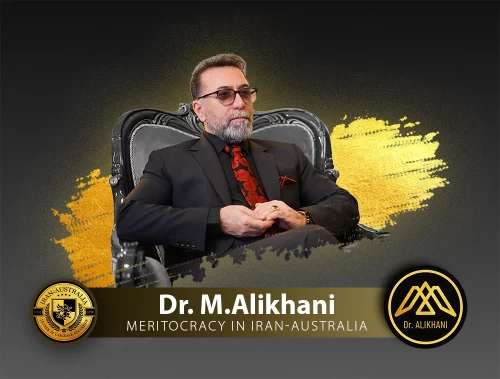
Dr. Mohsen Alikhani highlights the power of meritocracy at the Iran-Australia Language Institute, offering a new path to educational excellence and success.

Get Certified with the Most Trusted International Language Qualifications Our institute proudly issues language certificates with the highest academic and […]



User Comments
comments subtitle ipsum dolor sit amet, facilisis is elit consectetuer adipiscing elit.v